GuidesPlaybook 01
The Claude Playbook for Call Centers & Workforce Management
How support teams of 5 or 500 use Claude to draft replies, summarize calls, build schedules, and coach agents — with copy-paste prompts and a 30-day rollout.

Call centers and workforce teams live and die by two numbers: handle time and coverage. Claude helps both — not by replacing agents, but by removing the typing, summarizing, and spreadsheet math around the conversation.
Where Claude pays for itself
| Job | What Claude does | Time saved | | --- | --- | --- | | After-call notes | Turns a transcript into a 5-line summary + disposition code | 2–4 min per call | | Reply drafting | First-draft email/chat responses in your brand voice | 40–60% of typing | | QA scoring | Scores a sample of transcripts against your rubric | Hours per week | | Shift planning | Explains forecast gaps and proposes swaps | Half a planning day | | Coaching | Turns QA scores into a personal coaching note per agent | 15 min per agent |
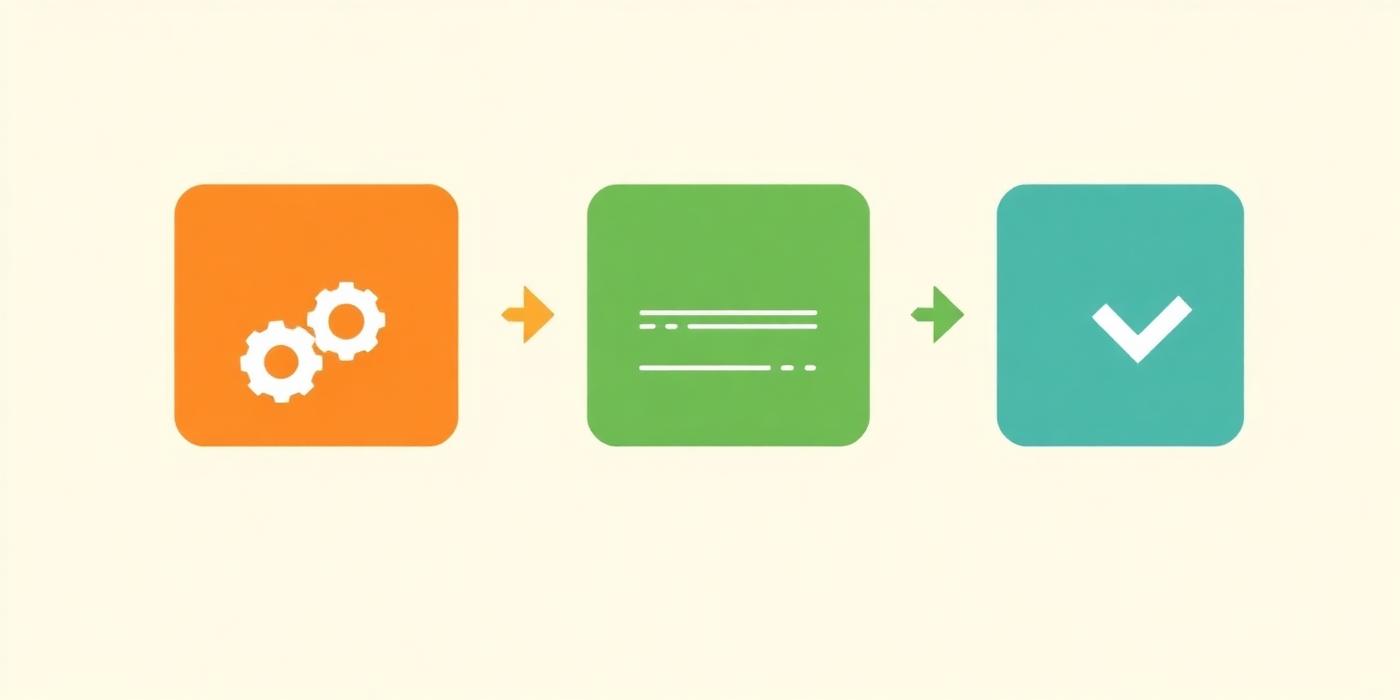
The core prompts
1 · After-call summary
You are a support operations assistant. Summarize this transcript in exactly this format: Customer issue (1 line) · Actions taken (bullets) · Promise made + due date · Disposition code from this list [...] · Risk of churn (low/med/high) with one reason. Transcript: <paste>
2 · Reply drafting with guardrails
Draft a reply to this ticket. Rules: max 120 words, no apologies more than once, never promise refunds over $50, always restate the fix and the next step with a date. Match this tone sample: <paste 2 past replies>.
3 · QA scoring
Score this transcript 1–5 on each rubric item [...]. Quote the exact line that justifies each score. End with the single highest-leverage coaching tip.
4 · Schedule triage (workforce management)
Here is next week's forecast (interval volume) and my current roster with skills and availability. Identify every interval understaffed by more than 10%, propose the smallest set of shift changes to close them, and flag any change that breaks a rule in <policy>.

Guardrails before you scale
- Use a business tier that excludes your data from training, and redact card numbers and health data before pasting.
- Keep a human in the loop on anything touching money, cancellations, or legal language.
- Log the prompt version used for each workflow so you can roll back a bad change.

30-day rollout
- Week 1 — One team, one workflow: after-call summaries. Measure minutes saved per call.
- Week 2 — Add reply drafting for your top 5 ticket types.
- Week 3 — Automate QA sampling; review scores with supervisors before trusting them.
- Week 4 — Bring Claude into workforce planning and publish the hours-saved number to the floor.
Small team version: you are the call center. Run prompts 1 and 2 only, from your phone, after each call.
Big team version: wire the same prompts into your CRM via the API so agents never leave the ticket.
Take it with you
Get this guide as a PDF
A print-ready copy of this article — cover page, article body, and our contact block — yours in one click.
Want the same for your business?
Free 15-minute intake. We'll map the AI tools and automations that fit your practice.
Start the free intake →